
A day in the life
South Tyneside Care Academy is here to support the development of a well-led, skilled and valued social care workforce in South Tyneside. Check out our videos that show a day in the life for some of the different roles in Adult Social Care and what is involved in these roles.
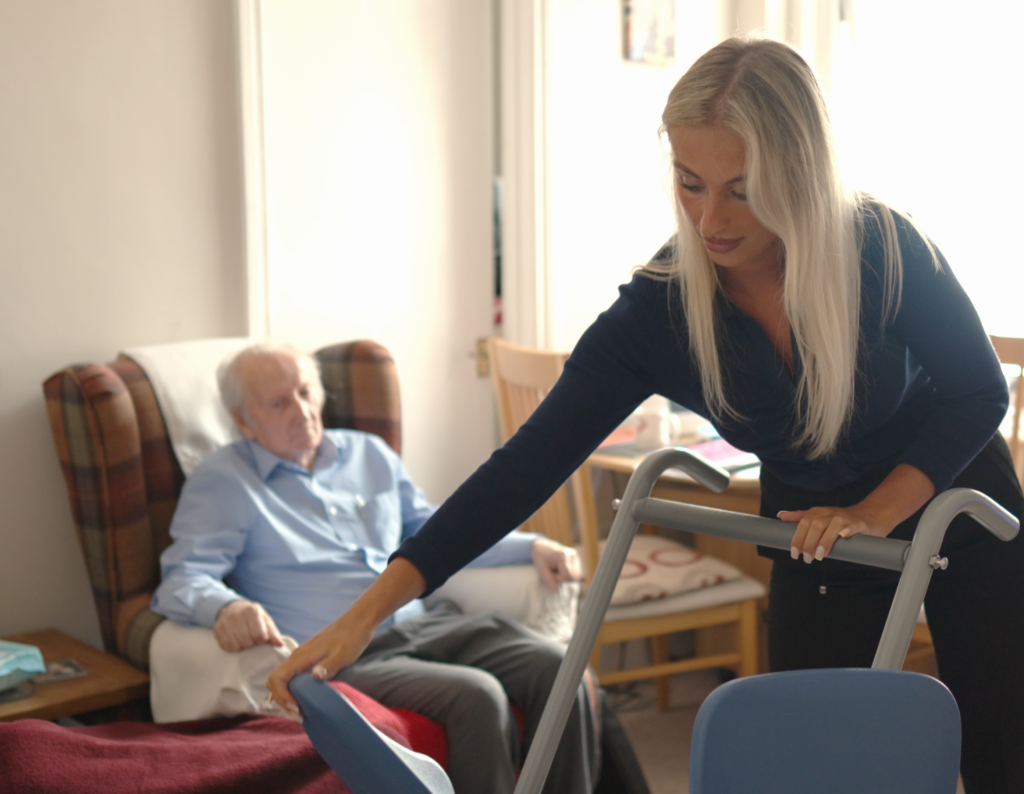
Personal Assistant
A Personal Assistant (PA) helps people, with care and support needs, with their day to day living. PAs can accompany people on daily activities such as, shopping, social activities and more. They also support people in their home by helping people get up and ready for the day, with personal care or helping prepare meals. Not everyone will need support with personal care. Being a PA is a very rewarding role.
Personal Assistant Team Leader
A personal assistant team leader involves different aspects such as: managing and supporting workers so they can perform their roles safely and to the best of their ability, supporting your manager to run your workplace according to standards and legislation, acting as a positive role model to colleagues, developing care plans that outline what care and support individuals need, leading team meetings and doing inductions, supervisions and appraisals, working in partnership with other professionals to ensure individuals get the support they need.
Extra Care Support Worker
Extra care is having the freedom of living in the community and the security and support of a care facility. Every person will have a self-contained property and Extra Care supports social inclusion for everyone so communal areas are vital. Some of the duties in Extra Care are providing physical care and support, preparing meals, medication, activities, and more.
Social Care Practitioner
Social Care Practitioners (SCP) work in teams with Social Workers, working with people who have care and support needs. The role involves building relationships to understand what is working well and what matters to them. Using creative thinking, knowledge of the community, partnerships and services, SCPs help people work towards a happy, healthy life.
Domiciliary Care Assistant
Domiciliary Care Workers provide care and support for individuals in their own homes and cover a wide range of support. This includes reablement, independent living, social activity support, assistance with personal care and domestic tasks, and other care needs. Also, Domiciliary Care Workers may work with individuals with specific needs and/or specialist services.
Occupational Therapist
Occupational therapy (OT) is a healthcare profession that focuses on enabling people to do the things they want and need to do in their everyday lives. OTs work with people who are experiencing illness or disability. They may also support those recovering from a medical event, such as a stroke or an operation.
During the process, the OT will work with the person to understand their abilities and goals, then develop a treatment plan based on that information. They may recommend methods and equipment that will help the person carry out these activities.
Care Coordinator
Care coordinators help to organise and navigate care across the health and care system, helping people make the right connections, with the right teams and at the right time.
The role of a care coordinator is a role the involves building relationships, being organised, caring, and have strong communication skills.
Home First Practitioner
The role of Home First Practitioner is to adopt a home first or discharge to assess way of working to support people to return home from hospital in a safe and timely manner, through a successful partnership between Health, Social Care and our Home, Independence and Crisis Support (HICS) team.
Occupational Therapy Practitioner
Under supervision, an Occupational Therapy Practitioner manages a caseload of clients requiring assessments and interventions appropriate to the level of expertise and personal development. Also, they ensure those adults with care and support needs and their families and carers achieve their desired outcomes.
Shared Lives Carer
Shared Lives Carers provide individual support in an approved carers’ home so that the person can live in a family surrounding. The carers will aim to provide a safe and secure home supporting people in all aspects.
Social Work Assistant
Social Work Assistants manage a caseload of clients requiring assessments and reviews ensuring the identification of needs and outcomes required, promoting enablement and, for those eligible, establishing the appropriate level of resource allocated to meet needs and assist with support planning, and the implementation of care plans.
Social Worker
The responsibilities of an adult social worker may vary depending on the setting and the client group, but they generally include assessing peoples’ needs and ensuring they receive the necessary support and protection, visiting peoples and assisting them with their social and physical activities.
They will also make referrals to other services and agencies; working across boundaries, and keeping detailed records and attending meetings.
Management Roles
Managing Directors have a very important role in Adult Social Care. Management roles are to direct the company’s operations, finances and staffing, and to give strategic guidance to ensure that the company achieves its mission and objectives.
Service Managers in Adult Social Care work to ensure staff have good training, are happy in their roles and can provide a great level of support.
Nurse
The responsibilities of an adult social care nurse may vary depending on the setting and the client group, but they generally include assessing peoples’ needs and ensuring they receive the medical care and support they need whilst in the care facility.
Often the nursing work is similar to a hospital, but with a bit more time to spend with those they care for.
Get in touch…
Are you interested in a career as a carer, applying for an opportunity, or just wanting to know more about South Tyneside Care Academy? Contact us to submit your details and we’ll be in touch!

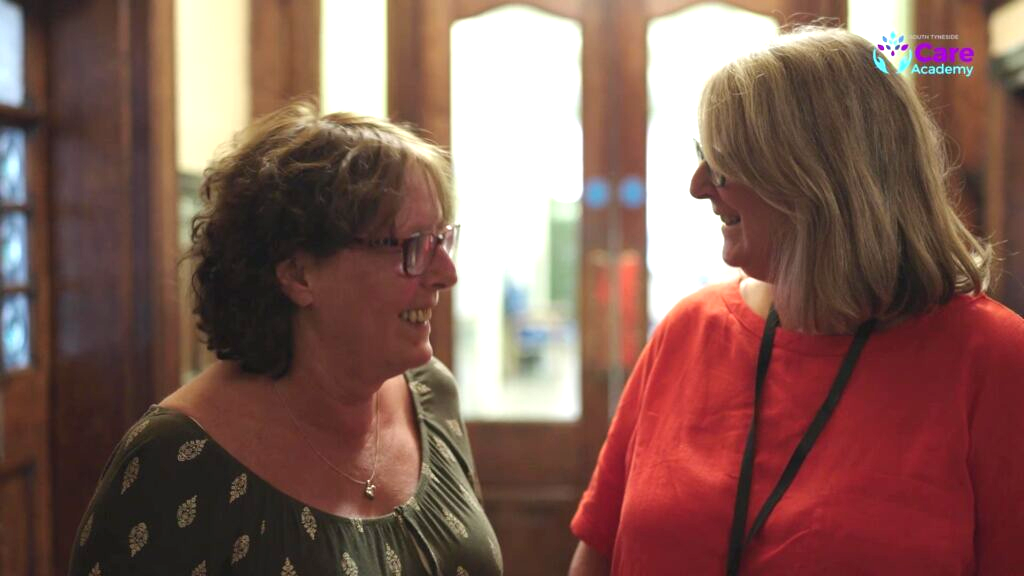
Latest jobs in the care sector
Now you’ve watched the day in the life videos, have a look and see if there’s a job role you’re interested in. Click on ‘View latest jobs’ to find out more!
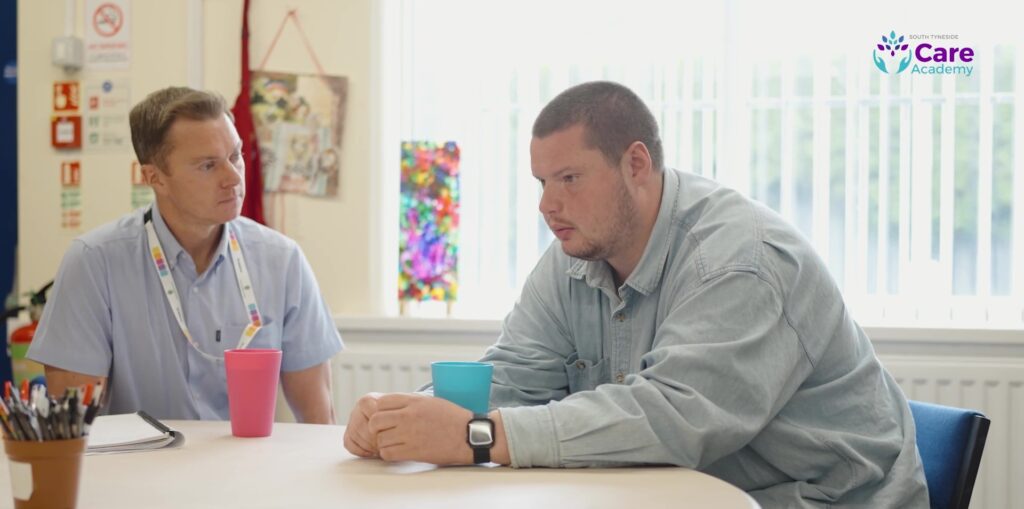
Types of roles in the care sector
Alongside our day in the life videos, there are many types of roles available in the social care sector. Click ‘View types of roles’ to find out more!