
About Adult Social Care
Adult Social Care supports people (and their carers) to stay independent and well so they can live the life they want.
Adult Social Care is a sector where jobs are increasing, offering a wide range of long-term career opportunities. If you are new to the sector, starting a career in adult social care can be very rewarding. There are different roles depending on what you want, who you want to work with and where you work.
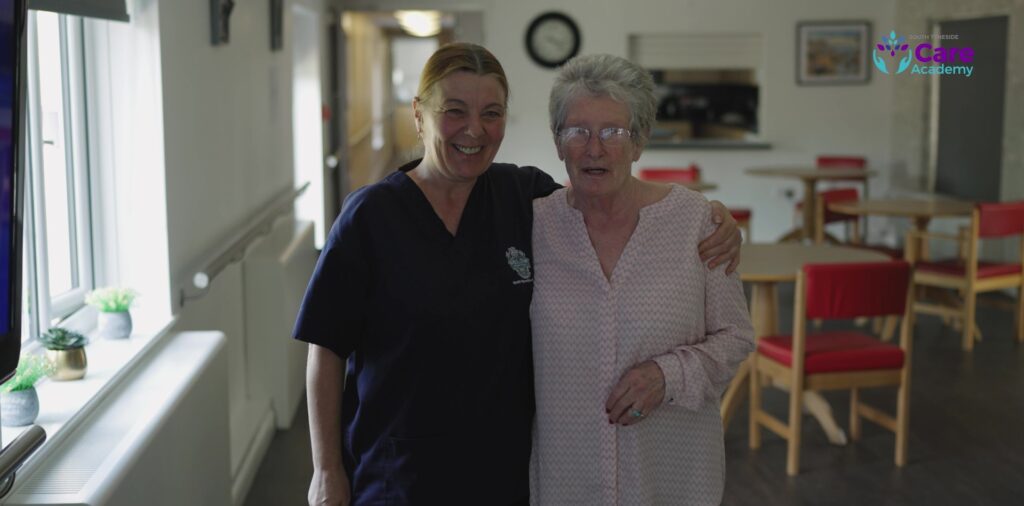
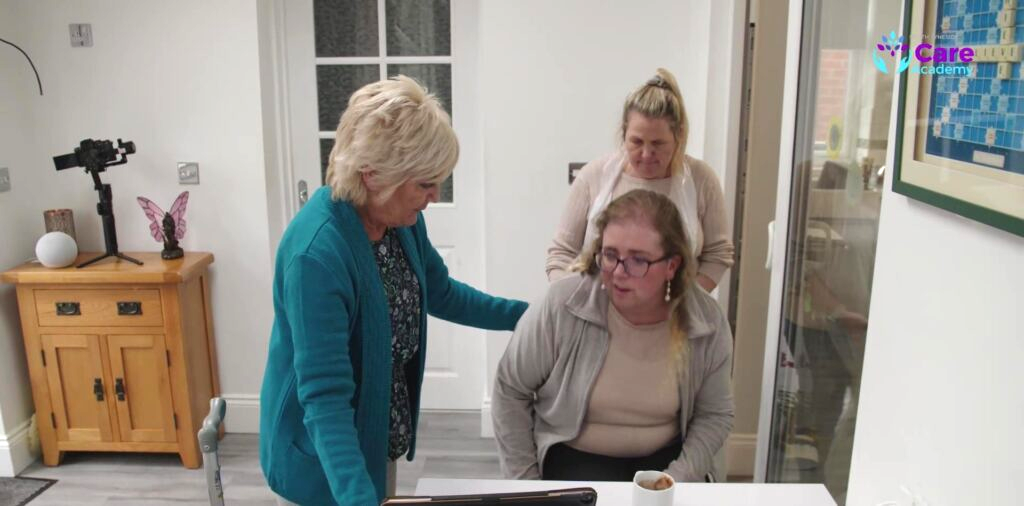
Adult Social Care can support:
- any adult with a physical, learning or mental disability
- any adult with a physical or mental illness
- people who care for those who receive care and support
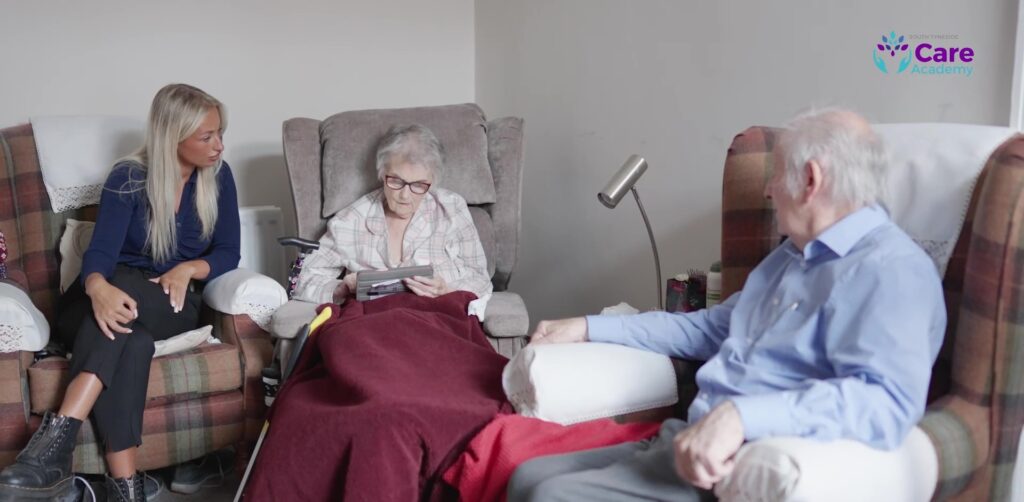
Short term care:
Short-term care is time sensitive and only until the person no longer needs it. This is to reduce or prevent need for ongoing support.
Long term care:
Long-term care is for those with ongoing needs based either in the community or accommodation such as a nursing home.
Types of care
Understanding types of care is very important for planning care and there are various types of care to support individuals. The more information you have about care and the options available, the more empowering it is for both carers and those receiving care. Click on the tabs below to view the types of care.
- Dementia care – specialist dementia care is available in purpose-built facilities, with extra support available to help reduce symptoms of dementia, like music therapy.
- Dementia nursing care – specialist support for people living with dementia who may also live with a long-term illness or disability, where more complex medical support is required.
Home or Domiciliary care is a type of care service provided to individuals in their own home. It is to support people who require assistance with daily living tasks, personal care, or healthcare management, allowing them to remain independent and continue living in their own home.
Like residential care, nursing care provides personal care for people that may need more care and support. There will always be one or more qualified nurses on duty to provide nursing care.
Recovery and Reablement care is temporary and often short-term form of care that provides extra support if a person is recovering from an operation or illness.
Residential care refers to long-term care for adults who stay in a residential setting rather than in their own home or family home. Residential care homes offer fantastic support such as assisting with day to day tasks (washing, dressing, taking medication and exercising).
Support services offered within a care home, centre or directly in the community can help people who need support, or simply company and friendship.
Respite care is the term used for services that enable people who care for someone full time to take a break from caring. A respite care service is provided to the person cared for, to temporarily replace the care the carers would otherwise give them.
If you have an illness that cannot be cured, palliative care makes you as comfortable as possible by managing your pain and other distressing symptoms. As well as this, it also involves psychological, social and spiritual support for you and your family or carers. This is called a holistic approach, because it deals with you as a “whole” person, not just your illness or symptoms.
Palliative care is available when you first learn you have a life-limiting (terminal) illness. You might be able to receive palliative care while you are still receiving other therapies to treat your condition.
End of life care is a form of palliative care you receive when you’re close to the end of life.
Adult Social Care in South Tyneside
In 2024/25 the adult social care sector in England had an estimated 19,000 organisations with a workforce of around 1.71 million posts.
In South Tyneside there are an estimated 4,000 posts in adult social care, split between local authorities (8%), independent sector providers (65%), posts working for direct payment recipients (15%) and other sectors (11%).
As at March 2023, South Tyneside contained 52 CQC-regulated services; of these, 34 were residential and 18 were non-residential services.
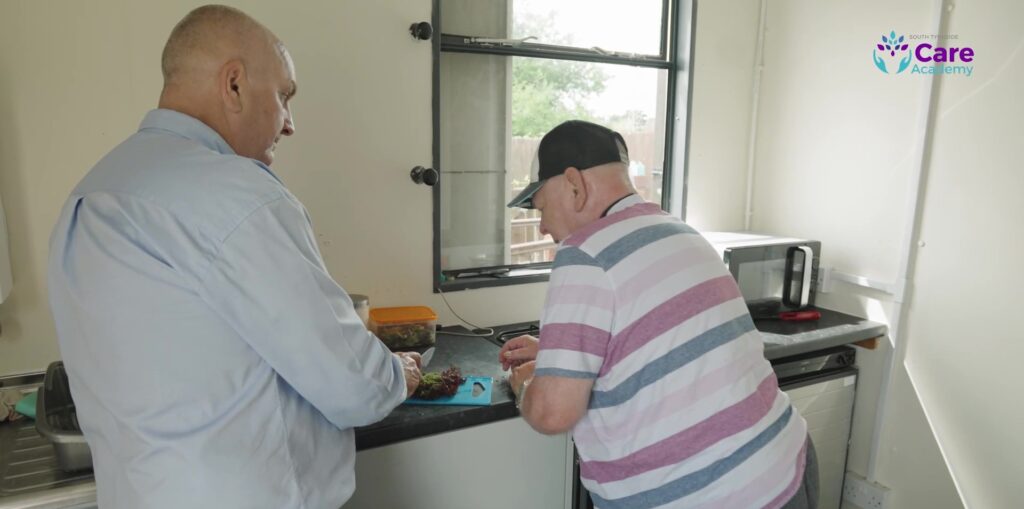
Latest jobs in the care sector
There are lots of different roles depending on what you want to do, who you want to work with and where you’d like to work. Click on ‘View latest jobs’ to find out more!
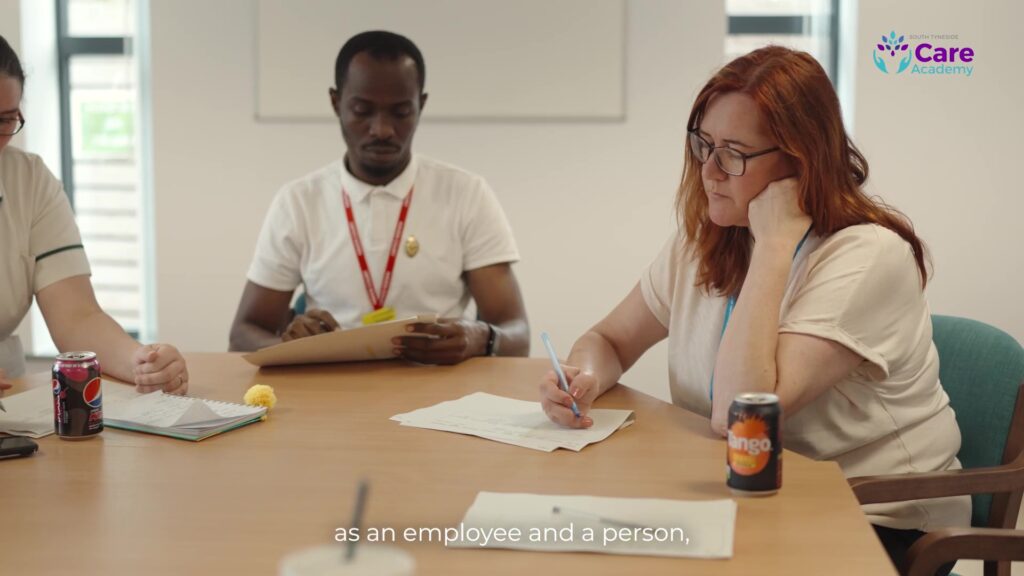
A day in the life
Are you interested in a career as a carer, applying for an opportunity, or just wanting to know more about working in a certain area? Click ‘View a day in the life’ to find out more!